EN
EN ES
ESShort URLs 101: What They Are and Why You Need One
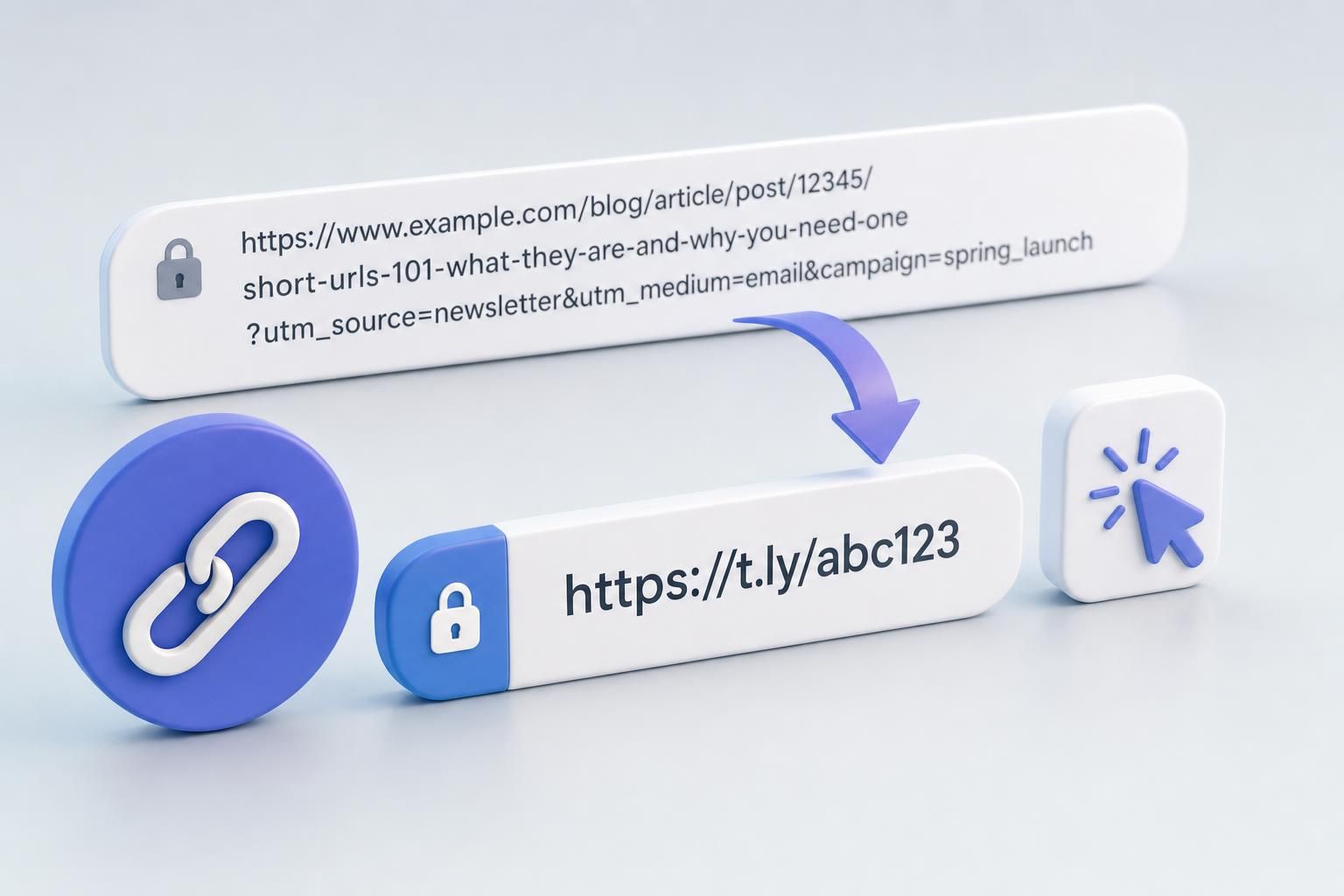
If you have ever copied a link to share with someone and watched it wrap across three lines of text, you already understand the problem. Long URLs are unwieldy, hard to read, and — frankly — a little intimidating. A short URL solves all of that in a single click.
This guide breaks down exactly what short URLs are, how a URL shortener works under the hood, and why businesses, creators, and marketers are making them a standard part of their digital toolkit.
What Is a URL, and Why Does Length Matter?
A URL (Uniform Resource Locator) is the web address that points a browser to a specific page or resource online. Most URLs contain a domain, a path, and often a long string of parameters tracking everything from campaign sources to session IDs. The result can look something like this:
https://www.example.com/blog/category/subcategory/article-title?utm_source=email&utm_medium=newsletter&utm_campaign=spring2024
That URL is perfectly functional, but it is not human-friendly. When you paste it into a social media post, a text message, or a printed flyer, it becomes a wall of characters that few people want to interact with. Length matters because readability matters — and readability affects whether someone actually clicks.
What Is a Short URL?
A short URL is a condensed version of a longer web address. When someone clicks or taps the short URL, they are automatically redirected to the original destination. The shortening itself is handled by a URL shortener: a service that stores the mapping between a brief, memorable address and the full URL behind it.
A typical short URL looks something like this:
tmgo.to/spring-sale
Compact, clean, and instantly readable — even when printed on a business card or spoken aloud in a podcast.
How Does a URL Shortener Work?
The mechanics are straightforward. When you submit a long URL to a shortener, the service creates a short alias — a unique combination of letters, numbers, or a custom word you choose — and stores the connection between the two. When anyone visits the short URL, the service looks up the alias in its database and forwards the visitor to the full destination in a fraction of a second.
This redirection happens so quickly that most visitors never notice it. What they do notice is a clean, trustworthy-looking link instead of a tangled string of characters.
Custom Slugs: Making Short Links Your Own
Many URL shorteners allow you to choose a custom slug — the readable word or phrase at the end of the short link. Instead of a random string like tmgo.to/x7Kq2, you can create tmgo.to/spring-sale or tmgo.to/download-guide. Custom slugs make links easier to remember, easier to say out loud, and more likely to earn a click because they hint at what waits on the other side.
Why Use a Short URL? The Core Benefits
1. Cleaner, More Trustworthy Appearance
A short, branded URL signals professionalism. Long URLs filled with parameters and subfolders can look like spam or phishing attempts to cautious readers. A tidy link that carries your brand name reassures people they are going somewhere legitimate.
2. Better Performance in Character-Limited Environments
Social platforms, SMS, and email previews all have space constraints. A short URL preserves your character budget for the message itself rather than burning it on a link. In contexts where every word counts, that matters.
3. Click Tracking and Analytics
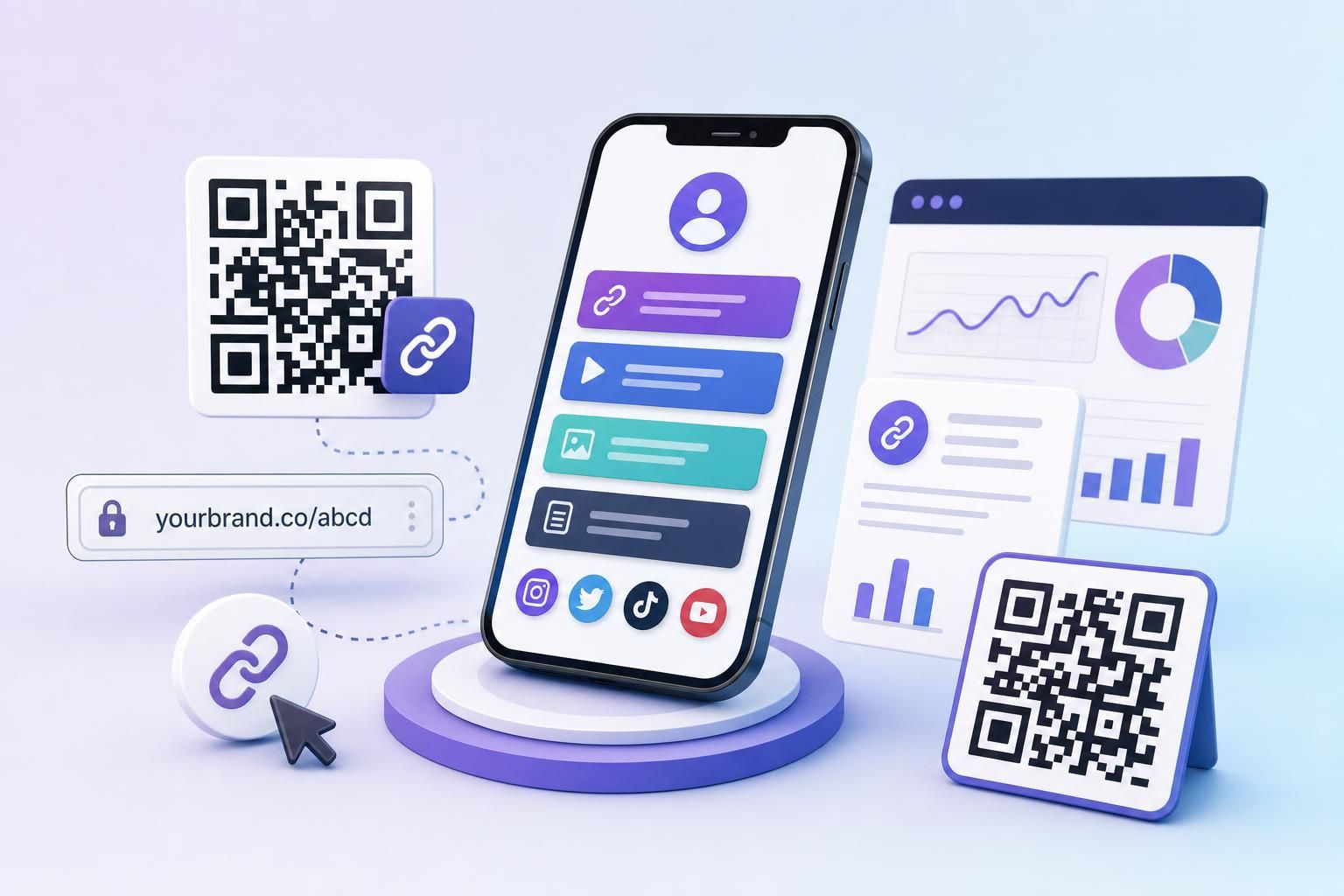
This is where short URLs move from convenient to genuinely powerful. A good URL shortener does not just redirect — it records data every time someone clicks. You can typically see how many clicks a link received, when those clicks happened, and what types of devices were used. That information tells you which campaigns, posts, or channels are actually driving traffic so you can make smarter decisions about where to invest your effort.
With a service like tmgo.to, each branded short link comes with click counts, date-level data, device breakdowns, and per-link recent-click logs — giving you a clear picture of link performance without needing a separate analytics platform.
4. Easier Sharing Across Every Channel
Short URLs work everywhere: social bios, email footers, print ads, packaging, event signage, and spoken mentions. A link like tmgo.to/menu can be announced in a podcast episode and typed correctly from memory. A 90-character URL cannot.
5. Link Management and Flexibility
Some URL shorteners — particularly those offering dynamic links — let you change the destination of a short URL after it has already been published or printed. If the page you were pointing to moves, or if a campaign offer changes, you update the destination once and every existing link follows automatically. No broken links, no reprint costs, no lost traffic.
Branded Short Links vs. Generic Shorteners
Not all short URLs are created equal. Generic shorteners give you a link that starts with their domain, which does nothing for your brand recognition. Branded short links use your own domain (or a branded subdomain), so every link you share reinforces your identity rather than someone else's.
For businesses that share links frequently, branded short links are a low-effort, high-impact way to build consistency across channels. Readers learn to recognize and trust your link format over time.
Short URLs and QR Codes: A Natural Pair
Short URLs and QR codes solve the same problem from different angles. A short URL helps people who are reading or typing. A QR code helps people who are scanning with a camera. When you build a short URL for a campaign, generating a matching QR code for any print or physical component means the same destination is accessible in every context.
Dynamic QR codes take this a step further: like a dynamic short URL, they can be re-pointed to a new destination at any time — even after they have already been printed on packaging, signage, or business cards. That flexibility protects your investment in physical materials and keeps your links current.
Who Should Be Using Short URLs?
Short URLs are useful for virtually any organization that shares links with an audience:
- Marketers and growth teams running multi-channel campaigns who need clean links and click data to measure what is working.
- Content creators and influencers sharing resources across social bios, newsletters, and communities.
- E-commerce brands linking to product pages, limited-time offers, or seasonal landing pages from packaging and ads.
- Agencies managing links and campaigns across multiple clients, where organization and per-client reporting are essential.
- Brick-and-mortar businesses putting links on printed menus, flyers, or storefront signage where a QR code or a typed short URL is the only practical option.
If you share a link more than once, it is worth shortening.
Getting Started: What to Look for in a URL Shortener
When evaluating a URL shortener, a few capabilities separate a genuinely useful tool from a simple redirect service:
- Custom slugs so your links are readable and on-brand.
- Click tracking with enough detail to be actionable — at minimum, counts, dates, and device types.
- Branded domain support so links carry your name, not the shortener's.
- Dynamic link support so you can update destinations without republishing links.
- Bulk creation if you regularly need to produce large numbers of links for campaigns, product catalogs, or client work.
- Team and workspace features if multiple people or clients need access to the same links without stepping on each other.
tmgo.to offers all of these in a single platform, including bulk short link creation of up to 500 links per batch and multi-client workspaces for agencies and franchises managing several brands under one login.
The Bottom Line
A URL is just an address. A short URL is an address that works for humans — readable, shareable, trackable, and on-brand. Whether you are running a paid campaign, building a social presence, or simply trying to make your links look less intimidating, a URL shortener is one of the highest-leverage tools you can add to your workflow.
The difference between a long URL and a well-crafted short URL is the difference between handing someone a crumpled paper map and giving them a clear set of directions. Same destination — completely different experience.
Ready to put your links to work? Start creating branded short URLs with tmgo.to and see exactly who is clicking, when, and from where.